

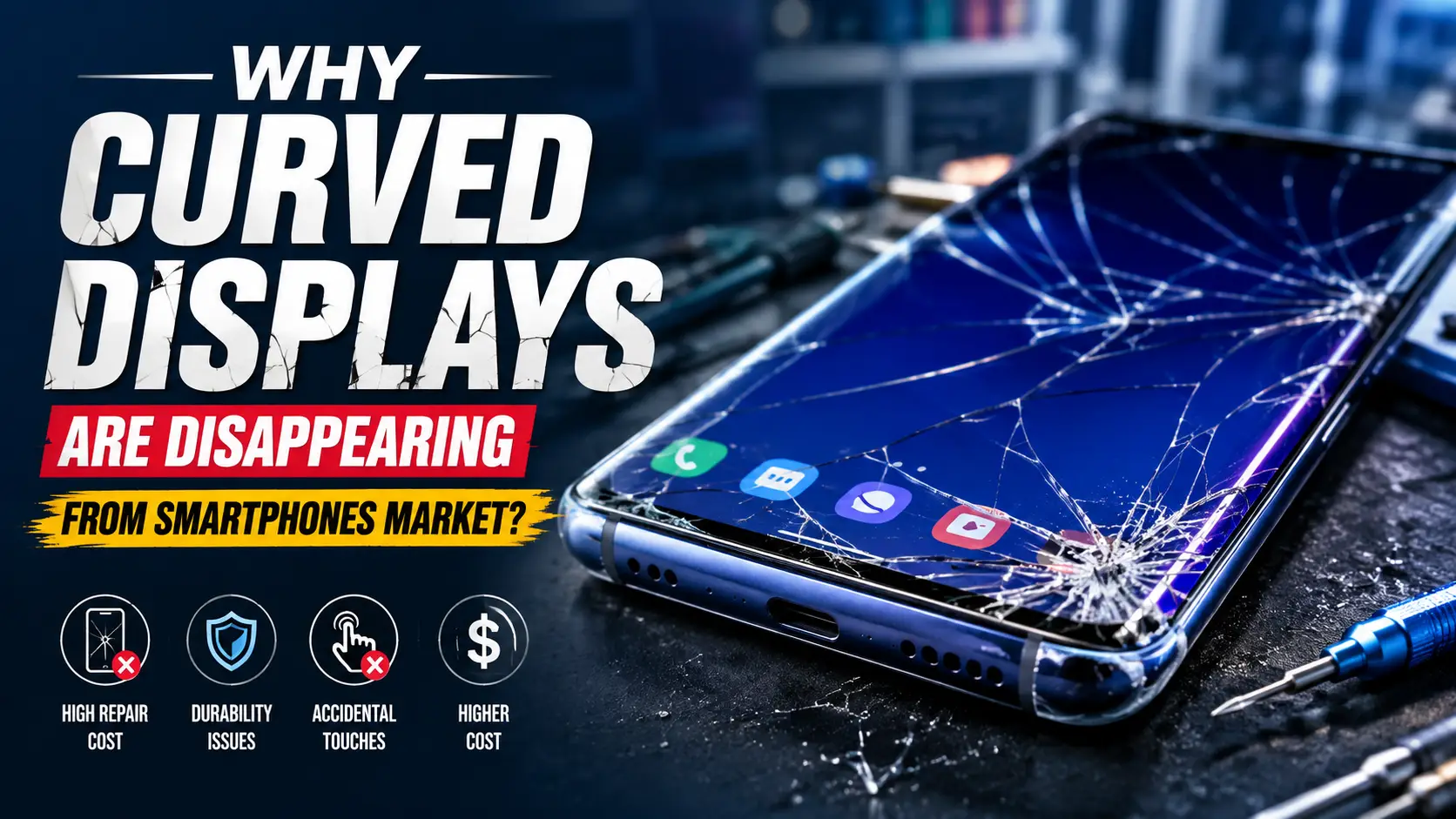
Why Curved Displays Are Disappearing from smartphones is one of the biggest design shifts we are witnessing in the mobile industry today. Just a few years ago, curved displays were considered premium, futuristic, and a symbol of flagship innovation. Brands like Samsung, Huawei, and even Xiaomi aggressively pushed curved-edge designs as a way to stand out in a crowded market.
But in 2026, things have changed dramatically.
Curved displays are slowly vanishing—even from high-end flagship devices. Major smartphone brands are now returning to flat displays, and this shift is not random. It’s driven by real-world usability, cost factors, durability concerns, and changing consumer preferences.
In this article, we will break down why curved displays are disappearing, what went wrong, and what the future of smartphone displays looks like.
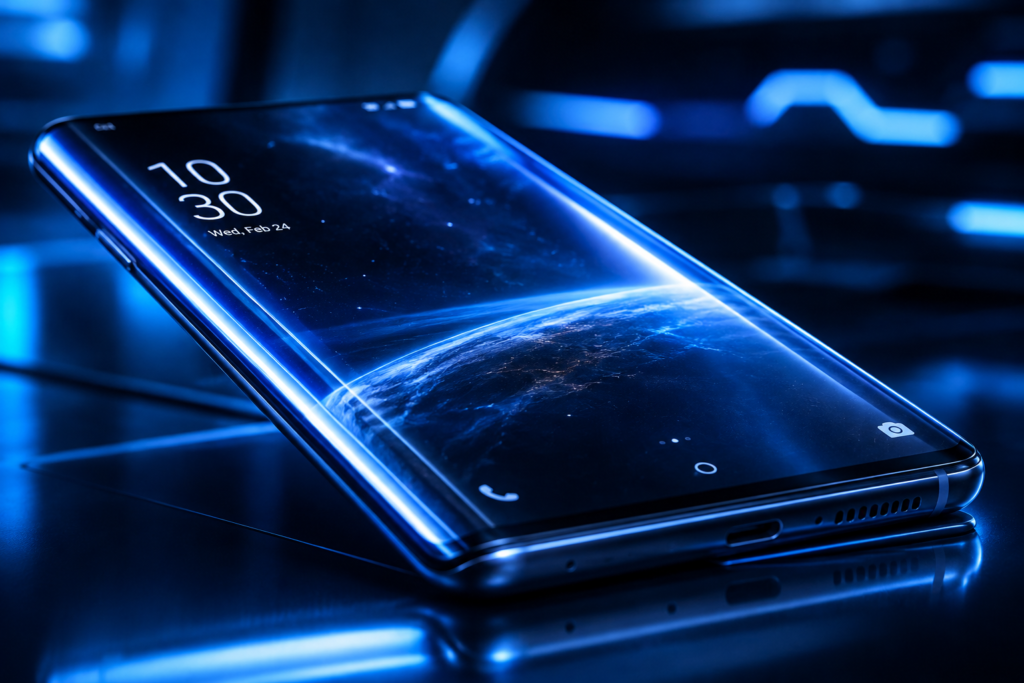
The Rise of Curved Displays
Curved displays first gained mainstream popularity with Samsung’s Galaxy Edge series. At that time, they offered:
- A futuristic and premium look
- Edge panels for quick shortcuts
- A more immersive viewing experience
These features made curved displays feel innovative and luxurious. Over time, almost every premium smartphone adopted this design to compete in the flagship segment.
But the excitement didn’t last forever.
1. Poor Practical Usability
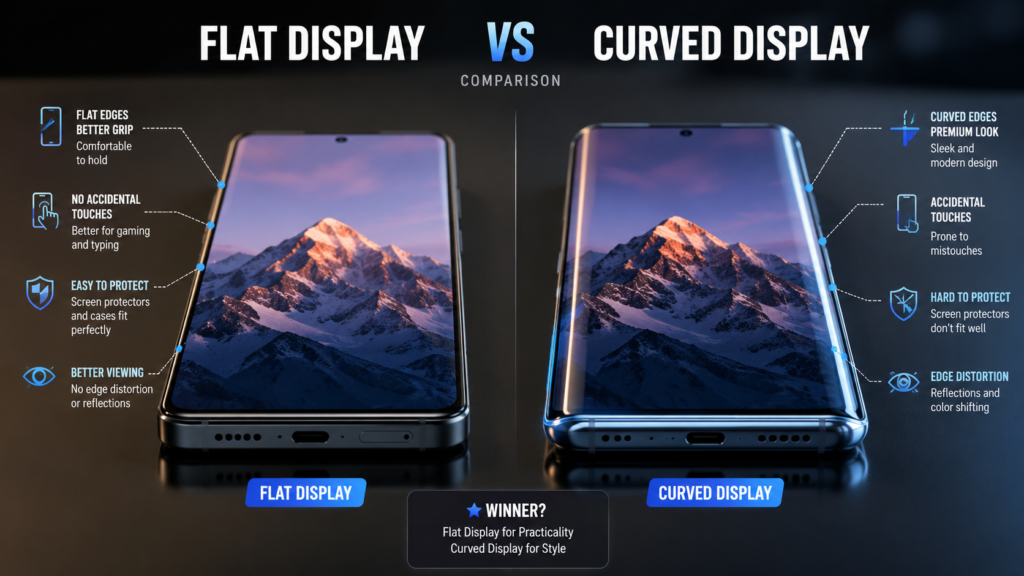
One of the biggest reasons why curved displays are disappearing is poor real-world usability.
While curved screens look stunning, they create multiple usability issues:
- Accidental touches: Users often trigger unwanted actions while holding the phone
- Typing discomfort: Edge areas are less responsive for typing
- Gaming issues: Gamers face touch inaccuracies near curved edges
For everyday users, these problems outweigh the visual benefits.
👉 Result: Brands started prioritizing user experience over aesthetics.
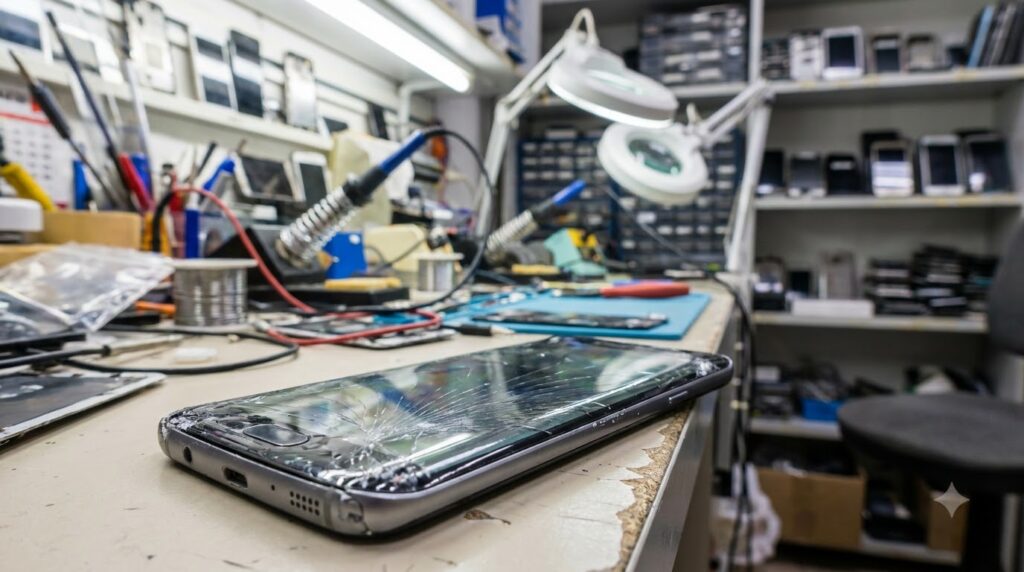
2. Higher Repair Costs
Curved displays are significantly more expensive to repair compared to flat screens.
- Replacement cost is much higher
- Edge damage is more likely during drops
- Limited repair availability in local markets
In countries like India, where value for money matters, this became a major downside.
👉 Users prefer phones that are durable and affordable to maintain.
3. Lack of Screen Protection Options
Another key reason why curved displays are disappearing is the lack of proper protection.
- Tempered glass doesn’t fit perfectly
- Screen protectors peel off easily
- Cases cannot fully protect edges
This makes curved phones more vulnerable to damage.
👉 Flat displays offer better compatibility with accessories.
4. No Real Functional Advantage
Initially, curved displays offered edge features like:
- Notifications on the side
- App shortcuts
- Quick tools
But today:
- These features are rarely used
- Software alternatives exist on flat screens
- Most users disable edge features
👉 Curved displays became more of a design gimmick than a necessity.
5. Increased Manufacturing Costs
Curved displays are expensive to produce:
- Complex manufacturing process
- Higher rejection rates
- Increased overall device cost
Brands are now focusing on:
- Better performance
- Bigger batteries
- Improved cameras
👉 Instead of spending on curved displays, companies invest in features users actually care about.
6. Durability Concerns
Curved displays are more fragile due to their design:
- Edges are exposed and vulnerable
- Drop impact is higher on curves
- Gorilla Glass protection is less effective on edges
Flat displays, on the other hand, are:
- Stronger
- Easier to protect
- More durable
👉 Durability is a major factor in why curved displays are disappearing.
7. Rise of Flat Display Preference
In 2025–2026, even flagship phones are switching back to flat displays.
Examples include:
- Gaming phones (for accuracy)
- iPhones (never adopted curves fully)
- Premium Android flagships moving to flat designs
Why?
- Better usability
- Better durability
- Better user experience
👉 Flat displays are now considered modern and practical, not outdated.
8. Better Experience for Content Consumption
Curved displays create visual distortions:
- Light reflections on edges
- Color shifting near curves
- Content cut-off issues
For watching videos or editing content:
- Flat displays provide consistent visuals
- No distortion or glare
👉 This is another strong reason why curved displays are disappearing.
9. Gaming and Performance Needs
Gamers prefer flat displays because:
- No accidental touches
- Better grip
- Accurate controls
Curved displays interfere with gameplay, especially in:
- BGMI
- COD Mobile
- Competitive gaming
👉 Gaming demand has pushed brands toward flat panels again.
10. Industry Trend Shift
The smartphone industry always evolves based on:
- User feedback
- Market demand
- Practical usage
Right now, the trend is clear:
✔ Less focus on flashy design
✔ More focus on performance and usability
👉 That’s exactly why curved displays are disappearing.
Future of Smartphone Displays
So, what’s next?
Instead of curved displays, brands are focusing on:
- Flat AMOLED panels with ultra-thin bezels
- LTPO displays for better battery efficiency
- Higher refresh rates (120Hz–144Hz)
- Foldable and rollable displays
👉 The future is about functionality + innovation, not just design.
Final Thoughts
Why Curved Displays Are Disappearing is not just about design trends—it’s about practicality.
Curved displays looked premium and futuristic, but they failed to deliver a better everyday experience. Issues like accidental touches, high repair costs, lack of durability, and limited real-world benefits have pushed both users and brands toward flat displays.
In 2026 and beyond, the focus is clear:
👉 Smartphones are becoming more user-friendly, durable, and practical.
And that’s exactly why curved displays are slowly becoming a thing of the past.


About The Author